Starting a yoga retreat can feel both exciting and a little overwhelming, especially if you’re new to the practice. I’ve been there, wondering if I’d be able to keep up or if I’d look completely out of place. The good news is that yoga for beginners doesn’t have to be complicated or intimidating.
In fact, some of the simplest poses can bring the most benefit, helping you relax, stretch, and connect with your body. Whether you’re planning your first retreat or just curious about easy poses to try, I’ll share some gentle moves that make starting yoga feel welcoming and fun. Let’s dive in and discover how yoga can be a peaceful, enjoyable part of your journey.
Benefits of Yoga for Beginner Retreats
Yoga for beginner retreats offers several benefits that foster physical, mental, and emotional well-being. I’ve seen how easy poses lay a strong foundation for participants to build confidence and peace through their practice.
Physical Benefits of Easy Poses
Easy yoga poses improve flexibility by gently stretching muscles and joints without strain. They enhance balance, which reduces the risk of falls and supports better posture. Simple movements also strengthen core muscles, essential for everyday stability and reducing back pain. In my experience, easy poses gently increase circulation and promote relaxation in the nervous system, aiding overall physical resilience. These benefits make yoga accessible, helping beginners gradually progress while listening closely to their bodies.
Mental and Emotional Benefits
Yoga’s calming effect helps reduce stress and anxiety by focusing attention on breath and movement. Practicing easy poses develops mindfulness, allowing the mind to stay present and clear. I’ve noticed that this focused awareness nurtures emotional balance, decreases feelings of overwhelm, and promotes patience toward oneself. Meditation and breathwork during retreats increase self-awareness and foster a sense of inner calm. Together, these mental and emotional benefits contribute to a stress-resistant mindset and enhanced overall wellness.
Essential Easy Poses for Beginners
I focus on poses that build confidence while gently strengthening the body. These simple but powerful poses fit perfectly into any beginner’s retreat, supporting both physical health and mental clarity.
Mountain Pose (Tadasana)
I recommend Mountain Pose to start every session because it cultivates balance and groundedness. Stand tall with feet hip-width apart, arms resting by your sides, and shoulders relaxed. Engage your thighs and lift through the crown of your head. This pose improves posture and awareness, helping you tune into your breath and body alignment.
Child’s Pose (Balasana)
I use Child’s Pose for deep rest and gentle stretching. Kneel on the mat, bring your big toes to touch, and sit back onto your heels. Lower your torso forward, extending your arms or resting them alongside your body. This pose releases tension in the lower back and hips while calming the nervous system, making it ideal during moments of overwhelm.
Downward Dog (Adho Mukha Svanasana)
I include Downward Dog to boost circulation and stretch the entire body. Start in a plank position, then lift your hips toward the ceiling, creating an inverted V shape with your body. Press firmly through your hands and feet, extend your spine, and keep your knees slightly bent if needed. This pose strengthens the arms and legs while energizing the mind.
Cat-Cow Stretch (Marjaryasana-Bitilasana)
I flow between Cat and Cow to mobilize the spine and connect movement with breath. Begin on hands and knees with wrists under shoulders. Inhale to arch your back and lift your gaze (Cow Pose). Exhale to round your spine and tuck your chin to your chest (Cat Pose). This dynamic stretch improves flexibility and releases tension in the neck and back.




Warrior I (Virabhadrasana I)
I recommend Warrior I for building strength and fostering focus. Stand with feet wide apart, turn your front foot forward and your back foot slightly inward. Bend your front knee over the ankle, raise your arms overhead, and lift your chest. This pose opens the hips and chest, boosts stamina, and encourages mental resilience—qualities I emphasize for any wellness journey.
How to Prepare for a Yoga Beginner Retreat
Preparing for a beginner yoga retreat helps you get the most from the experience. I focus on making the journey comfortable and clear for every participant.
What to Bring
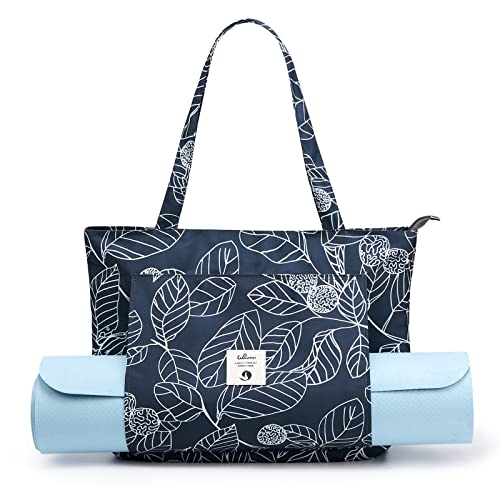
I always encourage bringing a yoga mat that suits your comfort level, preferably one with good grip and cushioning. Comfortable, stretchy clothing allows free movement during poses and meditation. A reusable water bottle keeps you hydrated throughout sessions. Bringing a journal helps capture reflections and insights during the retreat. If you practice meditation or breathwork, a small cushion or blanket can support your posture. Lastly, include basic toiletries and any personal items that help you relax.
Setting Realistic Expectations
I stress the importance of setting realistic goals for your retreat. Yoga and meditation develop gradually, so expect to start with simple poses and mindful breathing. Improvement shows with consistency and openness to learning. Avoid comparing your progress with others; every body responds differently. Focus on how your mind and body feel rather than trying to perfect poses. Accepting where you are allows you to enjoy the retreat fully and benefit physically and mentally without pressure.
Tips for Practicing Yoga Poses Safely
Practicing yoga safely matters if you want to enjoy the full benefits of each pose without risking injury. Keeping mindful habits in your practice helps maintain alignment and respect your body’s limits.
Proper Alignment and Form
I always emphasize correct alignment to my students because it protects joints and muscles while maximizing yoga’s benefits. For example, keeping your knees aligned over your ankles in Warrior I prevents strain and builds strength efficiently. Engaging your core during standing poses like Mountain Pose stabilizes your spine, improving balance and posture. Using mirrors or asking for feedback can help you maintain form, especially when starting out. If a pose feels off or causes pain, adjust your positioning or use props like blocks or straps until you build the necessary strength and flexibility.
Listening to Your Body
Every body is unique, so I encourage you to approach each pose with curiosity rather than judgment. If your hips feel tight in Downward Dog or wrists ache during Cat-Cow, modify the pose or take breaks as needed. Pain signals are essential guides; ignoring discomfort can lead to injury, while gentle awareness promotes healing. When tension builds, try slowing your breath or pausing to scan your body for areas needing care. Practicing this mindful listening develops self-awareness that extends beyond the mat into daily life, supporting your health journey continuously.
Conclusion
Starting a yoga retreat as a beginner can feel a bit intimidating, but it’s also a wonderful chance to connect with yourself in a gentle and meaningful way. Embracing simple poses lets you build confidence while nurturing your body and mind.
Remember that yoga is a personal journey—there’s no rush or perfect way to do it. By approaching each pose with curiosity and kindness, you create space for growth both on and off the mat.
I hope you feel inspired to explore these easy poses and enjoy the peaceful benefits they bring. Your yoga retreat can be a refreshing step toward greater well-being and self-discovery.