
I love wraps and rolls—they’re the perfect blend of convenience and flavor. Whether I’m in a rush or just craving something fresh, these handheld delights never disappoint. Plus, they offer endless possibilities for creativity, making them a go-to for healthy eating.
Understanding Healthy Wraps and Rolls
Healthy wraps and rolls offer a delightful blend of convenience, flavor, and nutrition. They provide a versatile canvas for various ingredients, aligning perfectly with a balanced lifestyle.
Benefits of Eating Wraps
Eating wraps supports a healthy diet in multiple ways:
- Portion Control: Wraps contain controlled portions, making it easy to monitor intake.
- Nutrient-Dense: Incorporating whole grains and fresh vegetables adds vitamins and minerals without excess calories.
- Meal Variety: Different fillings create numerous combinations, preventing meal fatigue.
- Quick Preparation: Making wraps requires minimal cooking, saving time for yoga or meditation practices.
- Easy to Customize: Specific dietary needs, like vegan or gluten-free, adjust easily with ingredient choices.
Common Ingredients in Healthy Wraps
Using wholesome ingredients makes wraps more nutritious. Common components include:
- Whole Grain Tortillas: Opt for whole grain or sprouted varieties for more fiber.
- Lean Proteins: Chicken, turkey, or plant-based proteins add valuable nourishment.
- Fresh Vegetables: Spinach, bell peppers, cucumbers, and other veggies boost nutrients.
- Healthy Fats: Avocado, nuts, and seeds provide essential fatty acids.
- Flavor Enhancers: Natural herbs, spices, or light dressings add taste without excessive calories.
Creating healthy wraps is an enjoyable way to embrace nutritious eating habits, complementing a lifestyle focused on wellness and mindfulness.
Choosing the Right Wrapping Options
Selecting the right wrapping options is essential for making nutritious wraps and rolls that align with a healthy lifestyle. It’s about finding options that deliver both taste and nutritional value, catering to diverse dietary needs and preferences.
Types of Wraps Available
I often use various types of wraps to keep things interesting. Here are some common options:
- Whole Grain Tortillas: Packed with fiber, these provide a hearty base while supporting digestive health.
- Lettuce Leaves: A fantastic low-carb option, lettuce wraps are refreshing and add a crisp texture to each bite.
- Nori Sheets: Often used in sushi, these seaweed sheets offer a savory flavor plus iodine, vital for thyroid health.
- Pita Bread: Whole grain pitas can serve as a delightful pocket for filling, making them a versatile choice.
- Corn Tortillas: Gluten-free and naturally flavorful, corn tortillas lend a pleasant texture to wraps.
Healthier Alternatives to Traditional Wraps
Embracing healthier alternatives elevates the nutritional profile of my wraps. Here are some great substitutions:
- Cauliflower Tortillas: These gluten-free options are low in carbs and rich in vitamins, providing a unique twist.
- Chickpea Flour Wraps: High in protein, chickpea flour wraps add a nutty flavor while enhancing nutrient density.
- Brown Rice Paper: For a fresh spring roll experience, rice paper wraps require minimal preparation and are gluten-free.
- Vegetable Slices: Sliced zucchini or eggplant can serve as creative, low-carb alternatives that add a distinctive taste.
- Spelt or Ezekiel Bread: Both options offer whole grains with added nutrients and can be folded without sacrificing flavor.
Choosing the right wraps contributes significantly to the overall health benefits of my meals, making it easy to enjoy nutritious and satisfying handheld meals.
Essential Ingredients for a Healthy Filling
Creating healthy wraps requires mindful choices in filling ingredients. These components not only enhance flavor but also pack in essential nutrients that support a balanced lifestyle.




Protein Sources
I prioritize lean protein sources for my wraps. Chicken breast, turkey, tofu, and legumes like black beans or chickpeas offer excellent nutrients along with satisfying my appetite. Eggs and Greek yogurt also serve as outstanding protein sources. Incorporating these ingredients boosts the wrap’s nutritional profile, contributing to muscle recovery and overall well-being.
Fresh Vegetables and Greens
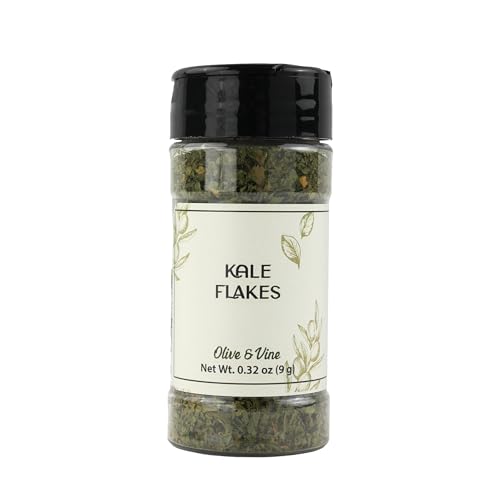
Fresh vegetables and greens add essential vitamins and minerals to my wraps. Spinach, kale, arugula, bell peppers, and cucumbers provide crunch and vibrant colors. I love adding shredded carrots and sliced radishes for added texture and flavor. These ingredients also enhance the wrap’s fiber content, supporting digestive health. Aim for a variety of colors to maximize nutrient diversity.
Flavorful Spreads and Sauces
Flavorful spreads and sauces transform a simple wrap into a delightful meal. I often use hummus, tzatziki, or avocado spread as base layers. Each adds creaminess and depth without compromising health. For a zesty kick, I turn to salsa or a homemade vinaigrette. Choosing these flavorful options ensures that every bite remains satisfying while keeping my wraps nutritious and delightful.
Step-by-Step Guide to Making Healthy Wraps
Creating healthy wraps is a delightful process that encourages mindfulness and creativity in the kitchen. Following these steps can lead to flavorful, nutritious meals that nourish both body and soul.
Preparing the Ingredients
Gathering the right ingredients sets the foundation for delightful wraps. I prefer using whole grain tortillas or leafy greens as the base. Sourcing fresh vegetables like spinach, cucumbers, and bell peppers enhances flavor and nutrients.
- Select your wrap base: Choose from whole grain tortillas, lettuce leaves, or nori sheets for varying textures and flavors.
- Chop vegetables: Dice or julienne fresh vegetables for easy distribution. I enjoy vibrant colors, which often reflect higher nutrient content.
- Choose your protein: Integrate lean proteins like chicken, turkey, tofu, or legumes for sustenance. Having these options on hand ensures a balanced meal.
Assembling Your Wraps
Assembling your wraps combines the prepared ingredients into a satisfying meal. It’s an opportunity to express creativity while focusing on nutrition.
- Lay the base: Start with your chosen wrap on a clean surface or plate.
- Layer the ingredients: Begin with protein, then add vegetables and any healthy fats like avocado. I prioritize balance and texture for an enjoyable bite.
- Add flavor enhancers: Incorporate spreads or sauces, such as hummus or yogurt, for additional taste without compromising health.
- Wrap it up: Fold the sides inward, then carefully roll from the bottom to the top. Firm pressure helps keep it intact.
- Slice and serve: Cut the wrap in half for easy handling. Enjoy immediately or wrap in foil for a nutritious meal on the go.
This simple process can transform meal preparation into a fun and engaging activity, reflecting my passion for healthful living through yoga and mindfulness.
Creative Ideas for Healthy Wraps and Rolls
Exploring creative wraps and rolls excites me. These options offer delicious, nutritious ways to elevate your meals.
Mediterranean-Inspired Wraps
Mediterranean flavors enrich wraps beautifully. I love using whole grain tortillas as a base, layering them with hummus, fresh spinach, and sliced cucumbers. Adding grilled chicken or chickpeas boosts protein, while a sprinkle of feta cheese enhances flavor. A drizzle of olive oil or lemon vinaigrette adds zest. You can also swap in roasted red peppers and artichokes for a tangy twist.
Asian-Style Rolls
Asian-style rolls are a fun way to incorporate fresh ingredients. I often use rice paper or lettuce leaves for wrapping. Fill them with shredded carrots, bell peppers, and thinly sliced cucumbers. For protein, I lean toward shrimp, tofu, or tempeh. Adding fresh herbs like mint or cilantro gives them a fragrant touch. Serve with a side of soy sauce or spicy peanut dip for extra flavor.






Vegetarian and Vegan Options
Vegetarian and vegan wraps pack plenty of nutrients. I enjoy using large collard greens or whole grain wraps filled with roasted vegetables, black beans, and quinoa. Spreading avocado or a thick tahini sauce makes each bite creamy. You can include ingredients like sunflower seeds or pumpkin seeds for added crunch. Don’t forget your favorite spices—cumin or smoked paprika can bring a whole new level of taste.
These wraps and rolls reflect my commitment to healthy living, making nutritious eating an enjoyable part of our wellness journeys.
Conclusion
Making healthy wraps and rolls is not just about nutrition; it’s about enjoying the process and getting creative in the kitchen. I love how versatile these meals can be. They allow me to experiment with different flavors and ingredients while keeping my meals balanced and satisfying.
Whether I’m in the mood for something Mediterranean or Asian-inspired, there’s always a new combination to try. Plus, knowing I can customize them to fit my dietary needs makes it even better. So grab your favorite ingredients and get rolling. You might just discover your new go-to meal!

