
I’ve always found that cold weather can sneak up on you—not just chilling your body but also stirring up a sense of unease. If you’re like me and tend to feel uneasy or even fearful when the temperature drops, yoga might be just the warm-up you need. It’s amazing how gentle movements and mindful breathing can help shake off that cold fear and bring a comforting heat from within.
Warming yoga flows focus on activating your body’s natural warmth and calming your mind. These sequences aren’t about pushing hard but about embracing softness and steady energy. Whether you’re new to yoga or looking for a cozy practice to face the chill, I’ll share some simple flows that help me feel grounded and warm, no matter how frosty it gets outside.
Understanding Fear of Cold and Its Effects
Fear of cold affects many, often beyond simple discomfort. It influences both body and mind in subtle but significant ways.
What Is Fear of Cold?
Fear of cold refers to an intense sensitivity or aversion to low temperatures. It’s not just feeling chilly; it can cause anxiety or avoidance behaviors in cold environments. Many experience this fear as a protective mechanism, signaling the body to respond. In my sessions, I’ve seen how this fear often links to deeper energetic imbalances and physical states that cold can aggravate.
Physical and Emotional Impact
Physically, fear of cold can slow circulation, reduce energy, and create muscle tension. These responses make it harder to maintain body warmth naturally. Emotionally, the fear may trigger feelings of unease, worry, or even panic in cold situations. I guide my students to recognize these sensations early, using breathwork and gentle movement to counteract the tension and initiate warmth from within. This integrated approach supports a calmer mind and a more resilient body.
How Yoga Can Help with Fear of Cold
Yoga offers practical and effective tools to reduce fear of cold by improving circulation, generating internal warmth, and calming the nervous system. Through mindful movement and breath, it creates balance between body and mind, easing anxiety caused by cold sensitivity.
The Science Behind Yoga and Body Temperature
Research shows that yoga stimulates the sympathetic nervous system, increasing heart rate and blood flow. When I guide breathwork like kapalabhati or dynamic sun salutations, students experience increased oxygen delivery and muscle activation. This process naturally raises internal body temperature. Consistent practice enhances metabolic rate, supporting heat production throughout the day. Additionally, yoga reduces stress hormones that constrict blood vessels, allowing warmer blood to reach extremities, counteracting cold sensations linked to fear.
Benefits of Warming Yoga Flows
Warming flows combine gentle stretches with controlled breathing to activate muscles and boost circulation. In my one-on-one sessions, I emphasize sequences that ignite core body heat, such as dynamic twists, lunges, and standing poses. These flows reduce muscle tension caused by cold-related anxiety and build resilience against chilling environments. Mentally, the rhythmic movements and breath focus create a calming effect, lowering fear responses and promoting a grounded sense of warmth. Integrating warming yoga flows regularly supports a healthier relationship with cold, transforming discomfort into manageable mindfulness.
Key Yoga Poses for Warming the Body
I chose specific yoga poses that help warm the body by boosting circulation, building core strength, and opening up the spine. These poses combine movement and breath to generate internal heat and comfort on cold days.
Standing Poses to Boost Circulation
I recommend standing poses like Warrior I (Virabhadrasana I), Chair Pose (Utkatasana), and Mountain Pose with arm swings for increasing blood flow. Warrior I activates large muscle groups in the legs and hips, generating warmth through effort and stability. Chair Pose engages the thighs and glutes, raising heart rate while building endurance. Gentle arm swings in Mountain Pose loosen the shoulders and stimulate circulation in the upper body. Practicing these poses in sequence for 3 to 5 rounds kickstarts your internal heating system.


Core Strengthening Poses for Warmth
Core strength plays a key role in keeping the body warm and stable. Boat Pose (Navasana), Plank Pose, and Bridge Pose (Setu Bandhasana) activate the abdominal muscles and engage connective tissue to maintain heat. Boat Pose challenges your lower abs and hip flexors, while Plank strengthens shoulders and the entire core. Bridge Pose lifts the chest and stimulates circulation along the spine and chest. Holding each of these poses for 20 to 30 seconds increases muscle activation and breath control, which results in lasting warmth.
Gentle Twists and Backbends
Twists and backbends energize digestion, stimulate spinal nerve flow, and release tension stored in the torso. I often include Seated Spinal Twist (Marichyasana C), Revolved Triangle Pose (Parivrtta Trikonasana), and Cobra Pose (Bhujangasana) in warming flows. Seated twists decompress the spine and massage internal organs, inviting heat from within. Revolved Triangle combines balance and rotation, enhancing circulation in legs and torso. Cobra backbend opens the chest and shoulders while gently flexing the spine, encouraging blood flow to the upper body. Practicing these poses with slow, mindful breaths fosters gentle warmth while calming the nervous system.
Designing a Warming Yoga Flow Routine
Creating a warming yoga flow helps me guide students through gentle, energizing sequences that generate internal heat and steady the mind. This approach balances movement with mindful breathwork to awaken the body and soothe tension caused by cold and anxiety.
Combining Breathwork and Movement
I combine breathwork and movement by syncing deep, controlled inhales and exhales with each pose transition. This coordination speeds up circulation and activates the parasympathetic nervous system, promoting calm and warmth. For example, flowing from Warrior I to Chair Pose with slow Ujjayi breathing raises body temperature while grounding the mind. Incorporating breath retention during poses like Bridge intensifies the warming effect by increasing oxygenation and blood flow.
Duration and Frequency Recommendations
I recommend practicing warming flows for 20 to 30 minutes, especially during chilly mornings or evenings when the body feels most vulnerable to cold. Daily sessions boost circulation consistently, building resilience over time. For beginners, 3 to 4 sessions per week suffice, gradually increasing frequency as comfort grows. Regular practice anchors warmth and helps overcome fear of cold, creating a healthier, more balanced lifestyle.
Tips for Practicing Yoga in Cold Conditions
Practicing yoga in cold conditions calls for intentional preparation to maintain warmth and focus. I’ve found that creating the right environment and selecting appropriate clothing play key roles in keeping your body comfortable and energized.
Creating a Warm and Comfortable Space
I always start by setting up a dedicated space that feels cozy and inviting. Using a thick yoga mat or layering a blanket underneath provides extra insulation from cold floors. If possible, I position myself near a source of gentle heat, such as a radiator or a sunny window. Dim lighting and soft music help soothe the nervous system and maintain focus despite the chill. Keeping the room slightly warmer than usual, around 68 to 72 degrees Fahrenheit, supports muscle flexibility and breathing ease during practice.
Clothing and Accessories for Cold Yoga Sessions
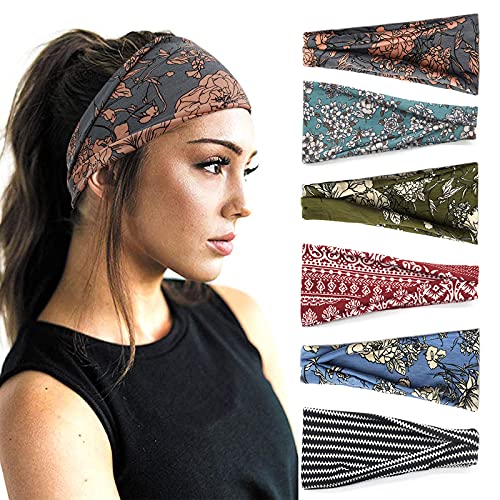
I opt for moisture-wicking, layered clothing that allows me to adjust as I warm up. A long-sleeve top over a breathable tank, paired with leggings or yoga pants, keeps core temperature steady. Socks and fingerless gloves help by protecting extremities without restricting movement. I recommend headbands or beanies to preserve heat around the ears and forehead. If the air feels particularly crisp, wrapping a scarf loosely around the neck adds comfort without interfering with breathwork. These choices ensure a smooth transition from warming flows to deeper stretches without feeling the cold creep in.
Conclusion
Embracing warming yoga flows has truly changed how I face cold days. It’s not just about staying physically warm but also feeling calm and steady inside.
When the chill starts creeping in, these gentle movements and mindful breaths help me reconnect with my body and ease any tension or anxiety.



If you’re sensitive to cold like I am, giving these flows a try might just bring you the comfort and resilience you need to enjoy every season a little more.


