Becoming a new mom is an incredible journey filled with joy and challenges. After giving birth, your body needs gentle care and strength to heal and adjust to all the changes. That’s where yoga comes in.
I’ve found yoga to be a wonderful way to reconnect with my body, build postpartum strength, and find moments of calm amid the chaos. It’s not about pushing yourself hard but about honoring where you are and moving with intention. Whether you’re looking to ease tension, improve flexibility, or boost your energy, yoga offers a nurturing path to support your postpartum recovery.
Benefits of Yoga for New Moms
Yoga supports new moms by gently restoring strength and balance. It helps rebuild the body and calm the mind during postpartum recovery.
Physical Recovery and Strength Building
Yoga speeds physical recovery by targeting pelvic floor muscles, core strength, and lower back stability. Gentle poses like bridge, cat-cow, and modified plank improve muscle tone and posture after childbirth. Restoring core strength stabilizes the body, reducing common postpartum pain in the back and hips. Consistent practice increases flexibility, making everyday movements easier while carrying or nursing the baby. Yoga’s low-impact nature suits healing bodies, preventing strain while rebuilding endurance.
Mental and Emotional Well-Being
Yoga cultivates mental clarity and emotional balance during postpartum hormonal shifts. Mindful breathing and meditation alleviate anxiety and fatigue, enhancing mood regulation. Practicing presence in each pose nurtures patience and resilience, helping manage the stress of new motherhood. The calming effects of yoga improve sleep quality, crucial for recovery and mental health. I guide my clients to connect with their breath and body, fostering a compassionate mindset that supports healing inside and out.
Key Yoga Poses for Postpartum Strength
Rebuilding strength after childbirth takes patience and intention. These yoga poses support core stability, pelvic floor health, and flexibility while honoring your body’s pace.
Core Strengthening Poses
I prioritize poses that gently engage the deep core muscles essential for postpartum recovery.
- Modified Boat Pose (Navasana) strengthens the transverse abdominis. Sit with bent knees and feet on the floor. Lean back slightly, engage your core, and lift one leg at a time to build endurance without straining.
- Bridge Pose (Setu Bandhasana) focuses on activating your glutes and lower abdominal muscles. Lie on your back with knees bent, feet hip-width apart, and lift your hips toward the ceiling while drawing your belly in.
- Bird Dog (Dandayamana Bharmanasana) improves balance and deep core stability. From hands and knees, extend opposite arm and leg while pulling your belly toward your spine.
These poses strengthen your center, decrease lower back pain, and aid posture as you care for your baby.
Pelvic Floor Exercises
Supporting your pelvic floor after birth prevents weakness and discomfort. My practice blends mindful movement with breathwork to gently rebuild these muscles.
- Pelvic Tilts engage the pelvic floor and enhance awareness. Lie on your back with knees bent, slowly tilt your pelvis upward and release with your exhales.
- Mula Bandha (Root Lock) involves contracting and lifting the pelvic floor muscles during inhale, then releasing completely on exhale. This technique integrates breath and muscle control to restore tone.
- Happy Baby Pose (Ananda Balasana) gently stretches the pelvic area and encourages relaxation. Lie on your back, hold the outsides of your feet, and draw knees toward your armpits.
Practicing these exercises daily improves strength, reduces leakage, and fosters connection with your body’s foundation.



Gentle Stretching and Flexibility
Flexibility supports comfort and range of motion as you navigate postpartum demands. I focus on slow, mindful stretches paired with breath to ease tension.
- Cat-Cow Pose (Marjaryasana-Bitilasana) warms up the spine and releases tightness. Move slowly between arching and rounding your back while breathing deeply.
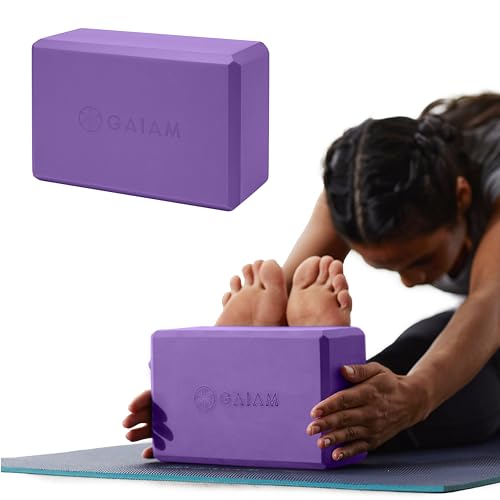
- Seated Forward Fold (Paschimottanasana) lengthens the spine and hamstrings gently. Sit with legs extended, hinge at your hips, and stretch forward without forcing depth.
- Child’s Pose (Balasana) offers a pause for rest and gentle opening through the hips and lower back.
With consistent practice, these stretches improve circulation, reduce soreness, and enhance mobility, making daily movements easier and more comfortable.
Creating a Safe Postpartum Yoga Routine
Crafting a postpartum yoga routine focuses on safety, healing, and gradual strengthening to support your body’s unique recovery process. I guide new moms to honor their limits while reconnecting with their strength through mindful movement.
When to Start Yoga After Delivery
I recommend beginning gentle yoga once your healthcare provider clears you, usually around 6 weeks after a vaginal birth and 8-10 weeks after a C-section. Starting too soon risks overstressing healing tissues. If you had complications or a more difficult delivery, waiting longer helps ensure safety. Begin with slow, restorative poses and breathing exercises to tune into your body before progressing to more active movements.
Modifications for Different Recovery Stages
I design postpartum yoga routines to evolve along with your healing. In the early weeks, I focus on gentle pelvic floor engagement like pelvic tilts and mindful breathing to rebuild core stability without strain. As strength improves, I introduce modified core and balance poses such as Bridge and Bird Dog, adjusting intensity based on your energy and comfort levels. If diastasis recti is present, I prioritize poses that avoid abdominal bulging while encouraging deep core connection. Flexibility moves remain gentle to prevent overstretching. These modifications keep your practice safe and effective through every recovery phase.
Tips for Staying Motivated and Consistent
Maintaining a postpartum yoga practice requires focus and kindness toward yourself. Staying motivated and consistent supports your healing and strength-building journey.
Setting Realistic Goals
Setting realistic goals creates a clear path for progress. I set small, achievable targets such as practicing yoga for 10 minutes a day or mastering one new pose each week. Celebrating these small wins builds confidence and keeps momentum going. Recognizing that energy levels vary day to day helps avoid frustration. If fatigue strikes, adapting to gentle stretches or breathing exercises maintains connection without pressure. Tracking progress in a journal or app offers visual proof of improvement, boosting motivation.
Incorporating Yoga Into Daily Life
Incorporating yoga into daily life turns practice into a sustainable habit. I suggest weaving yoga sessions into existing routines, like a short morning flow after waking or peace-focused meditation before bed. Using moments such as nursing or baby’s nap time for breathwork or gentle stretches makes yoga accessible. Joining a community class or virtual session provides accountability and inspiration, especially when motivation dips. Prioritizing consistency over intensity preserves both physical recovery and mental well-being, making yoga a supportive and enjoyable postpartum companion.
Conclusion
Embracing yoga after having a baby has been one of the most empowering parts of my postpartum journey. It’s not about rushing or pushing myself too hard but about honoring where my body is and gently building strength day by day.
If you’re a new mom looking for a way to reconnect with your body and find moments of calm amidst the chaos, yoga can be that supportive companion. Remember to be patient with yourself and celebrate every small step forward—you’re doing an amazing job.