
Yoga has always been a powerful way to connect mind and body, but many people don’t realize it can be just as accessible for those using wheelchairs. I’ve found that adaptive yoga poses open up a whole new world of movement and relaxation without needing to leave your seat.
Whether you’re new to yoga or looking to modify your practice, these poses can help improve flexibility, strength, and calm your mind. I’m excited to share some simple yet effective adaptations that make yoga welcoming and enjoyable for everyone, no matter your mobility level.
Benefits of Yoga for Wheelchair Users
Yoga offers many benefits for wheelchair users, enhancing both physical and mental health. Through adaptive poses, yoga supports strength, flexibility, and calmness while accommodating mobility needs.
Physical Health Advantages
I’ve seen how adaptive yoga poses improve muscle tone and joint mobility in wheelchair users. Gentle stretching increases flexibility in areas like the shoulders, neck, and hips while seated. Strength-building poses activate core muscles, promoting better posture and balance. Consistent practice reduces muscle stiffness and helps prevent issues like pressure sores by improving circulation. Breathwork incorporated in sessions also supports respiratory health by encouraging deeper, fuller breaths.
Mental and Emotional Well-Being
Yoga cultivates a deep sense of calm and mindfulness, which I emphasize in my one-on-one meditation coaching. Regular practice reduces stress and anxiety through focused breathing and meditation techniques. It fosters a positive mindset, uplifting mood and promoting emotional resilience. Feeling connected to the body and breath even while seated helps reduce feelings of isolation often experienced by people with limited mobility. Yoga encourages mental clarity and overall emotional balance, essential aspects of a healthy lifestyle.
Understanding Adaptive Yoga Poses
Adaptive yoga poses open the door for wheelchair users to experience the full benefits of yoga. I focus on tailoring each movement to fit individual needs while maintaining yoga’s core intent: balance, flexibility, and mindfulness.
Principles of Adaptation
Customization starts with honoring the body’s current abilities. I encourage exploring modified versions of traditional poses, such as seated twists or gentle arm stretches, to strengthen muscles and enhance joint mobility while seated. Focus shifts to what’s possible, not what’s limited. Breathing techniques anchor every session, supporting respiratory health and deepening relaxation. Props like straps or blocks can assist in alignment and ease into stretches. Consistency creates progress; small steps add up when practiced mindfully.
Safety Considerations for Wheelchair Users
Safety guides every practice. I ensure that wheelchairs are stable and locked to prevent slipping during poses. It’s crucial to avoid overstretching or forcing movements that cause discomfort or pain. Listening to the body’s signals takes precedence over achieving perfect form. Warm-ups ramp up circulation gradually, reducing injury risk. Checking with healthcare providers before starting new exercises keeps the practice aligned with individual health conditions. Finally, creating an accessible, quiet space fosters focus, allowing full engagement in breathwork and meditation.
Essential Adaptive Yoga Poses for Wheelchair Users
I focus on adaptive yoga poses that create strength, flexibility, and calm from a seated position. These poses cater to mobility challenges without sacrificing the core benefits of yoga. Here are key categories to build a balanced practice.
Seated Stretching and Warm-Up Exercises
I start every session with gentle seated stretches that prepare muscles and joints for movement. Neck rolls, shoulder shrugs, and seated side bends enhance upper body flexibility. Wrist circles and ankle pumps improve circulation and joint mobility. These warm-ups reduce stiffness and ease tension, making the body ready for more focused poses.





Upper Body Strengthening Poses
I emphasize poses that build strength and stability in the shoulders, arms, and core. Modified seated plank holds and arm lifts using light weights or resistance bands engage key muscle groups. Seated eagle arms and chest openers enhance posture by activating back muscles. Strong upper body support aids balance and daily wheelchair mobility, boosting overall confidence.
Breathing and Relaxation Techniques
I integrate breathwork and meditation to complement physical poses. Diaphragmatic breathing calms the nervous system and improves respiratory efficiency. Guided visualization and progressive muscle relaxation help release stored tension. I guide students through these techniques to deepen mindfulness, reduce stress, and encourage emotional resilience during and after practice.
Tips for Practicing Yoga in a Wheelchair
Creating a safe, comfortable space and using the right tools makes wheelchair yoga more effective and enjoyable. My experience teaching yoga and meditation shows how small adaptations build confidence and deepen connection to the practice.
Creating a Comfortable Practice Space
Start by arranging your space so it feels welcoming and free of distractions. Soft lighting and calming colors help set the right mood for yoga and meditation. Keep essential items, like water and props, within easy reach to avoid interruptions. Position your wheelchair so it’s stable and locked, either near a wall or on a non-slip surface. Feel free to play gentle music or nature sounds to enhance relaxation and focus during breathwork and poses.
Using Props and Accessories for Support
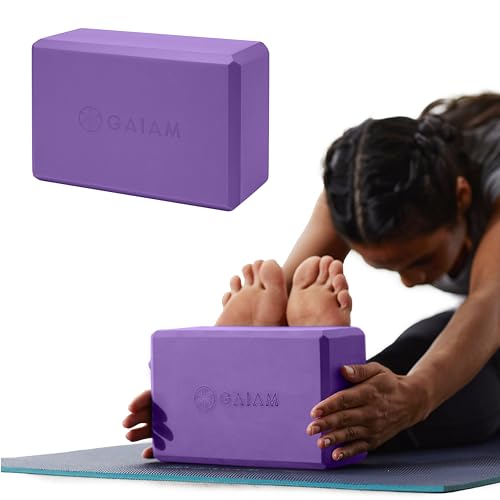
Incorporate props like yoga blocks, straps, and cushions to make poses accessible and safe. Blocks can raise your hands or support your arms during stretches, while straps help extend your reach without straining. Cushions add extra comfort and encourage proper posture by supporting your lower back or hips. I often recommend lightweight blankets for warmth during meditation and breathwork sessions. Experiment with these accessories to find what best supports your body’s needs while practicing yoga in your wheelchair.
Resources and Support for Adaptive Yoga Practice
Finding the right resources and support shapes a consistent and rewarding adaptive yoga journey. I always recommend accessing guided instruction and community connections to deepen practice and maintain motivation.
Online Classes and Tutorials
Online classes offer flexible, accessible ways to learn adaptive yoga. I suggest seeking programs specifically designed for wheelchair users that focus on safe modifications and clear demonstrations. Platforms like Yoga Accessible and Movement Trainer provide tailored sessions that emphasize breathwork, gentle stretches, and strengthening while seated. Video tutorials allow going at your own pace and revisiting poses as needed, which builds confidence. Many instructors, including myself, incorporate meditation and mindful breathing in these classes to support overall wellbeing alongside physical movement.
Community and Professional Support
Joining supportive communities fosters connection, encouragement, and shared learning. Local adaptive yoga groups and online forums connect practitioners facing similar challenges, exchanging tips and inspiration. I encourage connecting with certified adaptive yoga teachers or therapists experienced in working with mobility impairments; their personalized guidance enhances safety and progression. Additionally, involving healthcare providers ensures practices complement medical advice. One-on-one sessions focusing on meditation, breathwork, and nutrition further enrich the holistic approach to health I promote. This combined support system nurtures growth, resilience, and joy throughout the adaptive yoga experience.
Conclusion
Yoga offers a wonderful way to connect with your body and mind, no matter your mobility. Finding the right adaptations lets you enjoy the benefits of movement, strength, and calm from your wheelchair.
I’ve found that even small changes can make a big difference in how I feel physically and emotionally. It’s all about listening to your body and making the practice your own.



If you’re curious, I encourage you to explore adaptive yoga at your own pace. With patience and support, it can become a meaningful part of your wellness journey.
