
Have you ever found yourself in a situation where quick thinking made all the difference? Whether it’s in sports, driving, or even daily decision-making, reaction time plays a crucial role in our lives. I’ve often wondered how to sharpen this skill, and that’s when I stumbled upon the transformative power of meditation.
Understanding Meditation
Meditation offers a powerful way to connect with the mind and body, enhancing mental clarity and reaction time. It serves as a practice that cultivates awareness, focus, and calmness in daily life.
Definition of Meditation
Meditation involves training the mind to achieve a state of heightened awareness and focused attention. It’s a technique that promotes relaxation and a sense of balance. Through mindfulness and concentration, I guide my students to tap into their inner resources, fostering mental stability and clarity.
Types of Meditation
- Mindfulness Meditation
Mindfulness meditation emphasizes being present in the moment. It encourages awareness of thoughts and sensations without judgment. Many people find that this practice enhances their ability to react quickly and thoughtfully in various situations.
- Focused Meditation
Focused meditation involves concentrating on a specific object, sound, or thought, such as the breath. This type of meditation sharpens attention and promotes mental agility, directly influencing reaction time.
- Loving-Kindness Meditation
Loving-kindness meditation encourages compassion and positivity towards oneself and others. This practice reduces stress and anxiety, allowing for clearer thinking and quicker responses in stressful circumstances.
- Movement-Based Meditation
Movement-based practices like yoga incorporate meditation through physical postures and breathwork. Individuals often experience an improvement in body awareness and response time, benefiting both physical performance and mental clarity.
- Transcendental Meditation
Transcendental meditation uses a simple mantra to settle the mind into a profound state of rest. This technique can reduce stress and enhance cognitive function, supporting quicker reaction times in daily activities.
Each type of meditation offers unique benefits, encouraging a holistic approach to improving not just reaction time but overall well-being.
The Science Behind Reaction Time
Understanding reaction time is essential for improving performance in various activities, from sports to daily tasks. Reaction time refers to the interval between stimulus perception and the corresponding response. Meditation enhances this critical skill by promoting mental clarity and focus.





What is Reaction Time?
Reaction time is the duration it takes for the brain to process a stimulus and initiate a response. Measured in milliseconds, it impacts how efficiently we respond to challenges in life. For instance, athletes rely on quick reflexes during competitions, while drivers need rapid responses to ensure safety on the road. Research shows that a faster reaction time correlates with better performance and decision-making capabilities.
Factors Affecting Reaction Time
Several factors influence reaction time, including:
- Age: Younger individuals generally exhibit quicker reaction times, while reaction speeds often decline with age.
- Physical fitness: Regular exercise improves coordination and cognitive function, enhancing reaction times.
- Mental state: Stress, anxiety, and fatigue negatively affect mental clarity, slowing reaction times. In contrast, a calm and focused mind, nurtured through meditation, improves responsiveness.
- Practice: Consistent practice in activities requiring fast reactions can lead to improvements. Incorporating meditation and mindful movements into your routine sharpens focus, directly impacting reaction time.
By understanding these factors, individuals can take actionable steps toward improving their reaction times, particularly through mindfulness and healing practices like meditation and yoga.
Benefits of Meditation on Cognitive Functions
Meditation offers numerous benefits that enhance cognitive functions, making it a valuable practice for anyone seeking to improve their mental agility.
Enhanced Focus and Concentration
Meditation sharpens focus and enhances concentration. Regular practice trains the mind to maintain attention on a single point, whether it’s the breath, a mantra, or a visualization. By cultivating this steadfast awareness, I find that distractions fade, allowing me to engage fully in tasks. Neuroscientific studies support this, showing increased activity in areas of the brain associated with attention after mindfulness meditation sessions. As a result, my ability to maintain concentration during challenging situations improves, leading to quicker responses and better decision-making.
Stress Reduction and Its Impact
Meditation significantly lowers stress levels, which positively affects cognitive performance. When stress diminishes, so does the mental clutter that often hampers reaction time. After incorporating breathing techniques and mindful awareness into my daily routine, I’ve experienced heightened clarity and calmness. Research indicates that reduced cortisol levels from consistent meditation practice lead to improved focus and faster reaction times. The more relaxed my mind and body are, the sharper my thought processes become, which directly enhances my ability to respond effectively in both daily life and high-pressure situations.
How Meditation Improves Reaction Time
Meditation plays a crucial role in enhancing reaction time by fostering a deep connection between the mind and body. By practicing meditation, individuals can experience heightened awareness, mental clarity, and calmness, leading to quicker responses in everyday situations.
Mechanisms of Improvement
Meditation boosts reaction time through several key mechanisms.
- Increased Focus: Regular meditation trains the mind to maintain attention on the present. This sharpened focus allows for quicker processing of information, enhancing decision-making speed.
- Reduced Stress: Meditation lowers stress levels, which can cloud judgment and inhibit quick reactions. A calm mind processes stimuli more effectively.
- Enhanced Mind-Body Connection: Meditation strengthens the connection between the mind and body. This connection enables faster physical responses by allowing reflexes to kick in more efficiently.
- Neuroplasticity: Engaging in meditation promotes neuroplasticity, helping the brain adapt and improve connectivity within networks responsible for attention and reaction.
Research Studies and Findings
Numerous studies highlight the positive impact of meditation on reaction times.
- One study published in the journal Psychological Science found that individuals practicing mindfulness meditation exhibited faster reaction times compared to those who did not meditate.
- Another research analysis showed that consistent meditation practice enhances cognitive flexibility, a critical component in improving how quickly one can react to new information.
- A meta-analysis of several studies indicated that participants who engaged in meditation had improved performance in tasks requiring quick decision-making, with notable enhancements in visual and auditory processing speeds.
These findings underscore the effectiveness of meditation not just for mental well-being but also for practical applications in daily life. Integrating meditation into my routine has transformed my ability to respond quickly and effectively, and I encourage others to explore its benefits as well.




Practical Tips for Incorporating Meditation
Incorporating meditation into your daily routine can greatly enhance your reaction time and overall mental clarity. Here are some practical tips to help you get started.
Types of Meditation to Try
- Mindfulness Meditation: Focus on your breath and observe your thoughts without judgment. This practice encourages awareness of the present moment.
- Focused Meditation: Choose a specific object, thought, or sound to concentrate on, which helps improve your ability to maintain attention in other tasks.
- Loving-Kindness Meditation: Cultivate feelings of compassion towards yourself and others, aiding in stress reduction and improving your emotional resilience.
- Movement-Based Meditation: Engage in practices like yoga or tai chi. These activities synchronize breath and movement, promoting mindfulness through motion.
- Transcendental Meditation: Repeat a specific mantra to settle your mind, achieving a deep state of restful awareness that can enhance cognitive flexibility.
Creating a Suitable Meditation Environment
- Choose a Quiet Space: Select a calm area free from distractions where you can sit or lie comfortably. A peaceful environment helps you focus better.
- Maintain a Comfortable Temperature: Ensure the space is at a comfortable temperature. Being too hot or cold can disrupt your ability to concentrate.
- Use Soft Lighting: Opt for natural light or soft ambient lighting. Harsh lighting can strain your eyes and hinder relaxation.
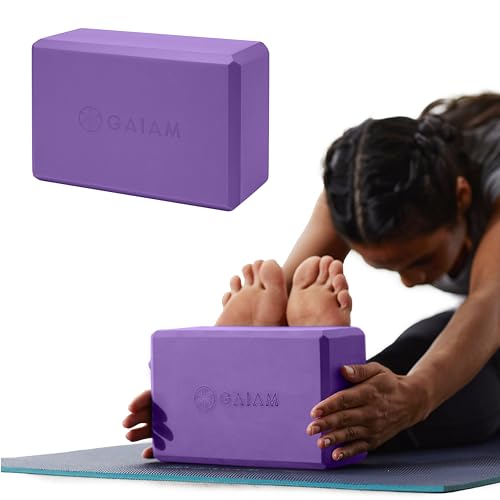
- Incorporate Comfortable Props: Use cushions, blankets, or a yoga mat to create a supportive setting. Physical comfort aids in maintaining focus during meditation.
- Add Calming Elements: Consider including plants, essential oils, or gentle music. These elements can enhance your meditation experience and promote a soothing atmosphere.
Conclusion
Meditation has truly transformed how I approach quick thinking and reaction time. By integrating this practice into my daily routine I’ve noticed significant improvements in my mental clarity and responsiveness. It’s fascinating how just a few minutes of mindfulness can enhance my ability to react swiftly in various situations.
I encourage you to give meditation a try and see how it can benefit your life. Whether you’re looking to improve your performance in sports or just want to make quicker decisions in everyday tasks, the rewards are definitely worth the effort. Embrace the journey of meditation and discover the positive changes it can bring to your mind and body.
